
The Borandá Effect
How Edu Lobo’s Brazilian composition, Rubén Blades’ vision, and Papo Lucca’s improvisation transformed a song into a generational movement.

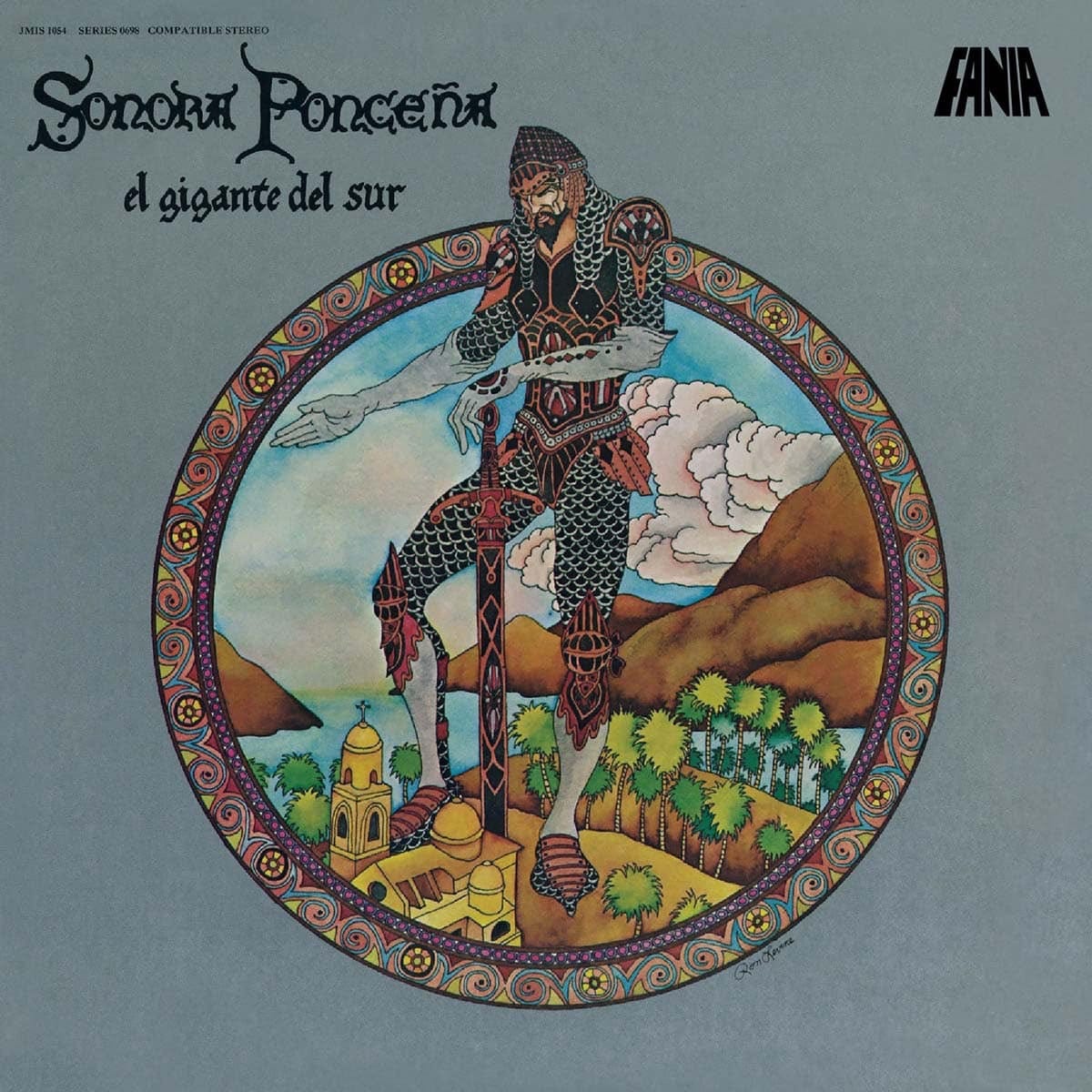
Some songs transcend their creation and take on lives of their own. “Borandá” — the haunting and irresistibly danceable opening track from La Sonora Ponceña’s El Gigante del Sur — is one of those rare songs.
Composed by Brazilian singer, guitarist, and composer Edu Lobo during the politically turbulent years following Brazil’s 1964 military coup, “Borandá” emerged as a powerful expression of the anxieties and social dislocation of the era. Its imagery of drought, migration, abandonment, and existential despair resonated deeply within the burgeoning MPB(Música Popular Brasileira) movement, a generation of artists who sought to combine traditional Brazilian musical forms such as samba, baião, and bossa nova with influences from jazz, folk, and other international styles.
More than a musical genre, MPB became an important vehicle for cultural affirmation, political reflection, and subtle resistance during Brazil’s military dictatorship. “Borandá” was cemented within the MPB canon by Maria Bethânia’s landmark 1967 recording on Edu e Bethânia and was later introduced to jazz and American audiences through Sérgio Mendes’s interpretation on The Great Arrival.
The song might never have entered the salsa canon were it not for Rubén Blades. According to Papo Lucca, it was Blades who first introduced him to Edu Lobo’s composition and immediately recognized its potential beyond Brazilian popular music. By translating and adapting the lyrics into Spanish, Blades helped bring the song’s emotional depth and social consciousness into the evolving language of 1970s salsa.
At a time when salsa was expanding beyond romance and dance-floor convention, “Borandá” offered something darker, more cinematic, and psychologically layered—qualities that helped make it one of the most distinctive recordings in La Sonora Ponceña’s catalog.
Papo Lucca and La Sonora Ponceña took that foundation and transformed it into something entirely unexpected: a moody, harmonically sophisticated salsa recording that still sounds startlingly modern and danceable nearly fifty years later.
Critic Ernesto Lechner summed up the recording’s audacity he described “Borandá” as “a heavy sociopolitical message, and a slap on the face for anyone who thinks that this music is only good for dancing.”
That astute observation gets to the heart of why “Borandá” still resonates.
From its opening moments, the recording announces itself as something different. The electric piano introduction feels cinematic and ominous. The brass writing is tense and angular. The rhythm section simmers rather than explodes. Instead of rushing toward familiar dance-floor conventions, the arrangement unfolds patiently, creating atmosphere, tension, and emotional unease rarely heard in salsa recordings of the period.
Then, at the 3:30 mark, comes the moment that changed everything.
