
Remembering Andy González
On What Would Have Been the Bass Titan’s 75th Birthday

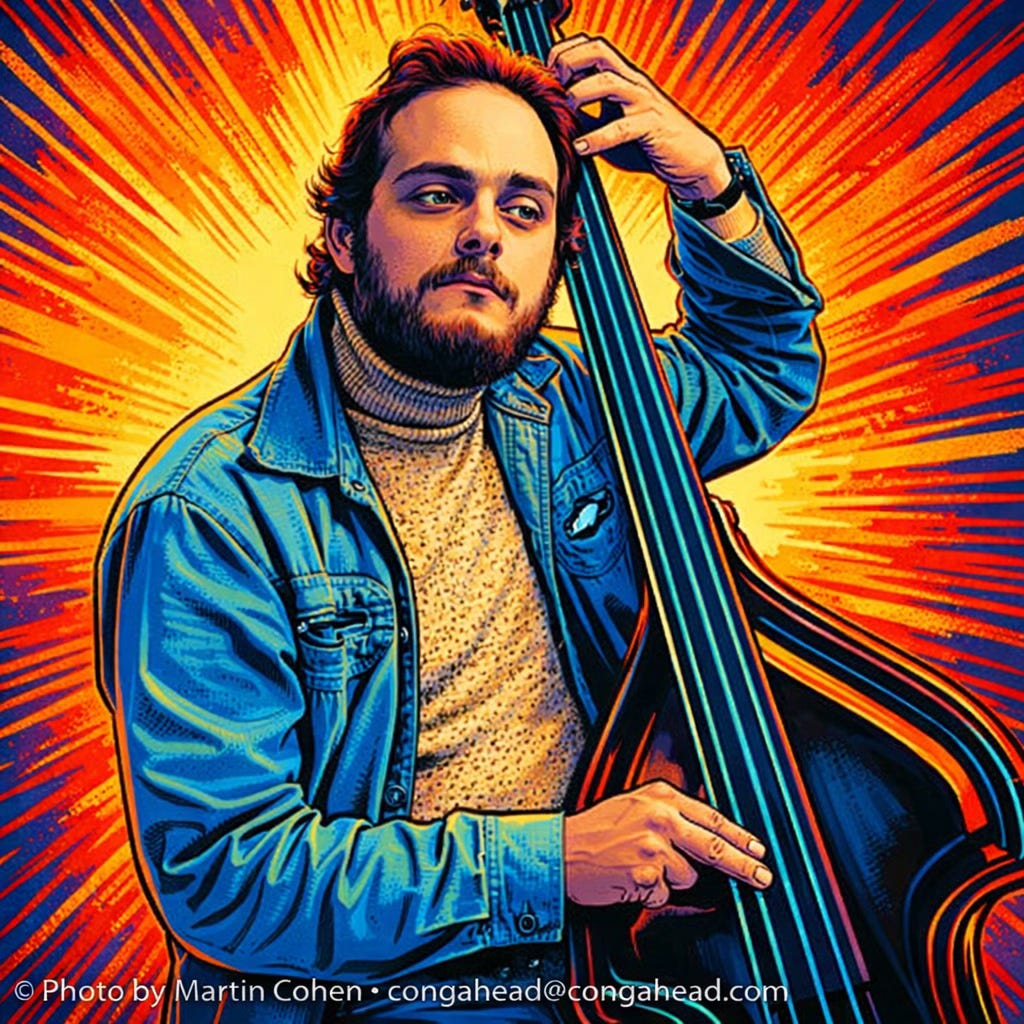
Six years after his passing, Saint Peter’s Church—long known as the “Jazz Church”—honors bassist Andy González, a foundational figure in Afro-Latin music and modern jazz whose influence continues to shape how rhythm, harmony, and collective sound are understood.
Between the González brothers, Andy was known as the quieter one—a man of few words. I did not know him personally, though we occupied many of the same rooms over the years, and I heard him perform in a wide range of settings. I admired his artistry from a respectful distance and, like many, followed his work closely. Whenever Jerry González and the Fort Apache Band, or Manny Oquendo and Libre, took the stage in New York City, I made it a point to be there—to listen, to bear witness, and to honor the lineage.
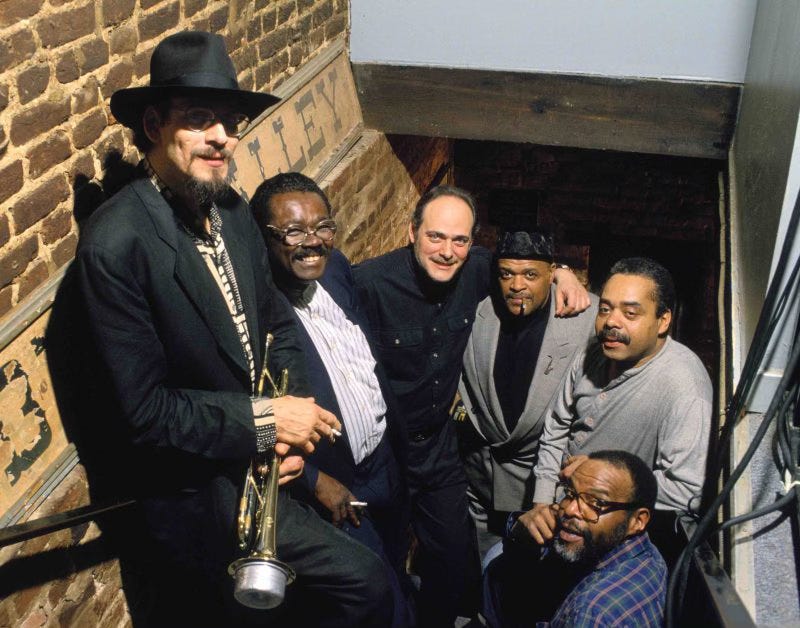
The Fort Apache Band, co-founded by Andy with his brother Jerry, was neither jazz with Latin seasoning nor salsa punctuated by jazz solos. It was Monk and Coltrane braided with clave, Bronx realism, and lived experience. For a multitude of reasons, nothing compared to experiencing the Fort Apache Band in a live setting.
With Libre, Andy helped Manny Oquendo shape dance music that never condescended to the dancer by simplifying the rhythm. The groove carried both muscle and intelligence, and Andy’s bass made that balance feel natural and inevitable.
Andy is often described as prolific—and he was—but the word misses the point. What defined him was gravitas without ego. He moved within the rules of Afro-Caribbean rhythm with total command, fully aware of the dance, the clave, the collective body. At the same time, he carried the jazz musician’s instinct to question and stretch time itself—able to anchor the most driving dance band while thinking harmonically, shaping form from within, never stepping on the singer, never breaking the spell for the dancer.
Over the course of his career, Andy contributed to roughly 700 recordings, moving fluidly across musical worlds. Though he worked with artists from many traditions, his deepest and most enduring impact was in Latin jazz. His significance lay in openness: bringing ideas from other traditions into the music without diluting its core, always aligned with growth rather than preservation for its own sake—especially alongside his brother Jerry.
Later, after a serious health crisis, Andy returned to the music with quiet resolve, recording Entre Colegas (2016), his only album as a leader—a work shaped by friendship and lineage, made by a musician who had nothing left to prove.
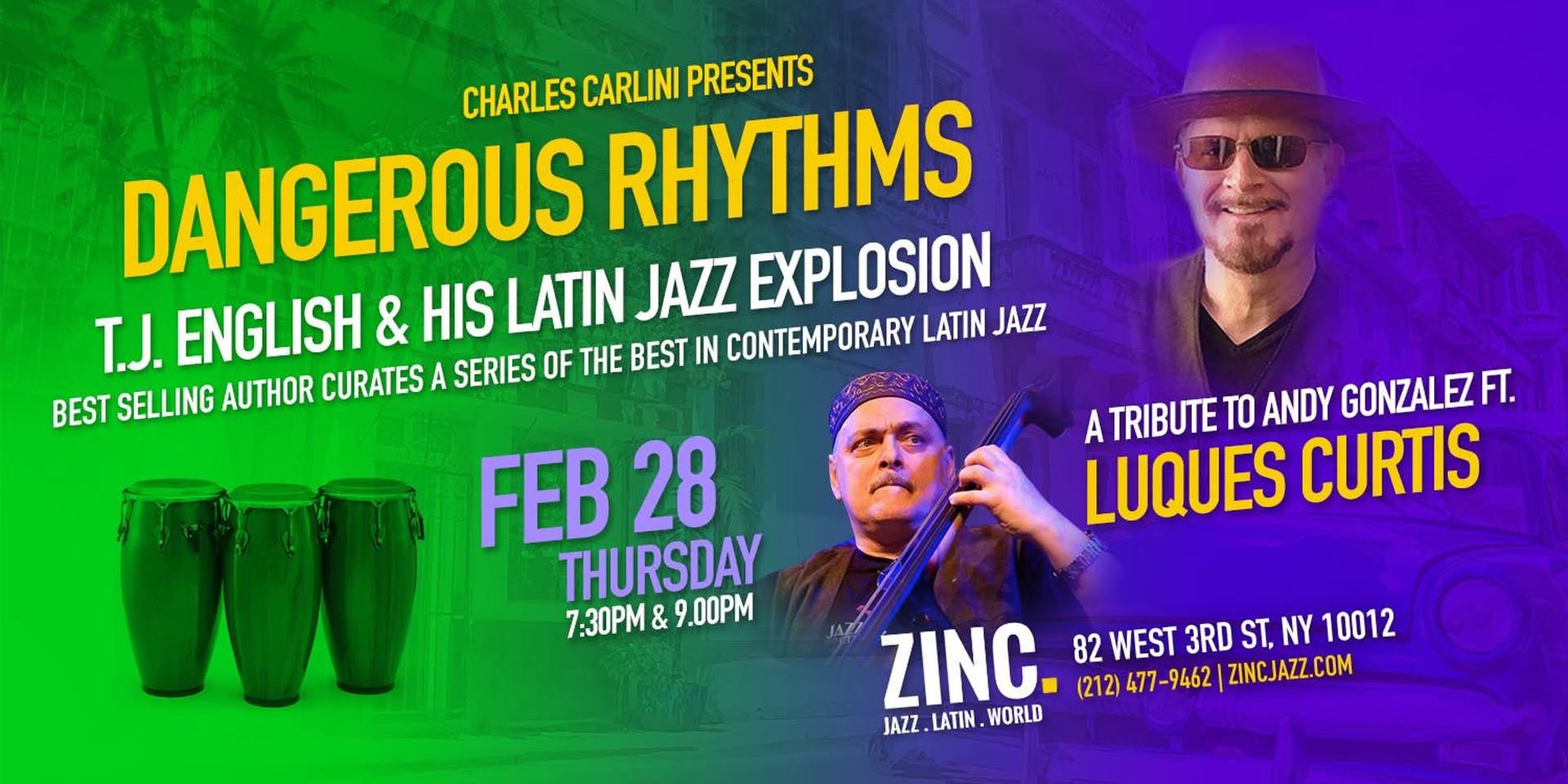
On February 28, 2019, at the Zinc Bar in the West Village during T.J. English’s Dangerous Rhythms series, bassist Luques Curtis showed rare foresight by honoring his mentor while he was still alive. Andy, gravely ill, spoke little that night—and he did not need to. His expression and gestures made the moment unmistakable. Nothing was announced, yet to those present it was clear: the torch was being passed. Not long after, on April 9, 2020, Andy joined the ancestors.
Andy once said it was difficult to describe everything he and his peers had accomplished—and he was right. There is not one living Latin or jazz musician who heard Andy and Jerry González and was not shaped by their thought, dedication, and purity of sound.
That is why this gathering at Saint Peter’s, honoring Andy’s life, sound, and spirit, feels less like an ending than a return. In a space that has long revered jazz as living work, Andy González is remembered not for spectacle, but for foundation: time as architecture, tumbao as philosophy, and a prolific legacy.
Rest in Power, Maestro.
Sinopsis en español
Seis años después de su fallecimiento, el jueves 6 de enero de 2026, la Iglesia de Saint Peter—conocida como la “Iglesia del Jazz”—rinde homenaje al bajista Andy González, una figura fundamental del jazz latino y la música afro-caribeña contemporánea.
Andy González fue un músico de autoridad serena y profundo compromiso con el ritmo, la forma y el colectivo. Como cofundador de la Fort Apache Band junto a su hermano Jerry, ayudó a forjar un lenguaje que unió el jazz moderno con la clave, el realismo del Bronx y la experiencia vivida, sin concesiones ni simplificaciones.
A lo largo de su carrera participó en cerca de 700 grabaciones. Su impacto más duradero se dio en el jazz latino, donde integró nuevas ideas sin diluir el núcleo de la música, siempre orientado hacia el crecimiento y la evolución.
En 2019, en el Zinc Bar, el bajista Luques Curtis tuvo la lucidez de rendir homenaje a Andy mientras aún vivía. Gravemente enfermo, Andy habló poco, pero no hizo falta decir nada: el relevo quedó claro.
El homenaje de hoy en Saint Peter’s no marca un final, sino un regreso—un acto de memoria, escucha y continuidad para un músico cuya obra sigue sosteniendo el presente.
Descansa en paz, Maestro.
Featured Photo: AI-generated illustration of an original photograph by Martin Cohen
The Fort Apache Band - Group Photo: JazzTimes
Excellent tribute to the master blaster thst was Andy Gonzalez. I sincerely hope to make it to St. Peter's and pay my respects to Andy's memory. Hope to see you then. Un abrazo.